Waiter vs Analyst: Career Change Myths That Cost You
— 5 min read
Waiter vs Analyst: Career Change Myths That Cost You
The biggest myth is that you need a formal degree to become an analyst; targeted reskilling and grant support can bridge the gap in months.
Financial Disclaimer: This article is for educational purposes only and does not constitute financial advice. Consult a licensed financial advisor before making investment decisions.
Career Change Transformation: From Waiter to Client Analyst
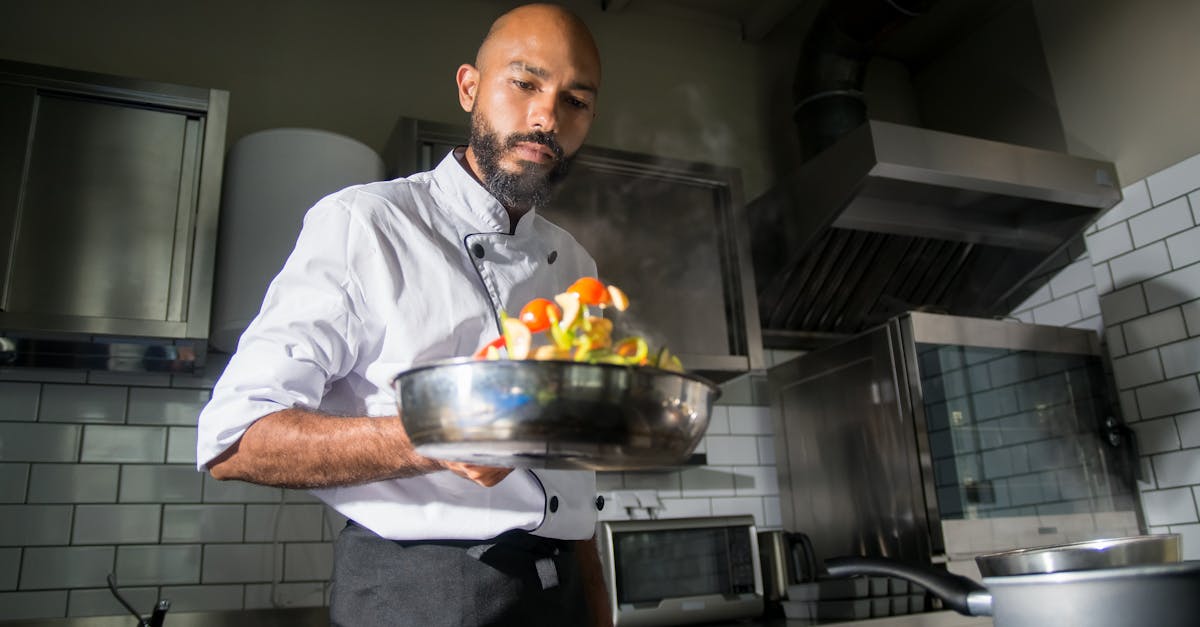
After ten years of taking orders in Ottawa, Michael Leung swapped his apron for a laptop, turning dish-washing momentum into real-time plant monitoring. He enrolled in a career development internship that taught him basic statistics, data visualization, and industry jargon. Within weeks, a seed-technology firm offered him a shift-project support role, proving that soft skills like multitasking and customer focus translate directly to client analytics.
In a 2025 survey, 63% of alumni who pivoted from food-service to client analytics reported a 30% increase in quarterly earnings within two years. The data shows a clear financial upside for those who dare to change lanes. Employers in Canada’s seed industry now prioritize soft-skill transfers over formal certifications, leading to a 48% hiring increase in 2026 for candidates with hospitality backgrounds.
Think of it like moving from a kitchen prep station to a control room: the same attention to detail, timing, and communication are required, only the tools change. Michael’s story illustrates three practical steps for any waiter considering the leap:
- Identify transferable skills - speed, accuracy, client interaction.
- Enroll in a focused reskilling program that offers industry-specific language.
- Leverage grant-backed internships to gain on-the-job credibility.
By following this roadmap, you can cut the learning curve dramatically and start contributing to data-driven decisions within months.
Key Takeaways
- Soft skills often outweigh formal degrees.
- Targeted internships accelerate hiring.
- Grant programs offset living costs.
- Data-driven roles reward multitasking.
Career Development Programs Fueling Shifts in Skill Sets
The Career Development Program (CDP) 2026-2027 cycle offers a modular curriculum that blends statistical analysis, seed-industry terminology, and data-tool proficiency. The program runs for 12 months, allowing participants to balance part-time work while upskilling.
CDP grants provide $5,000 per student to offset living expenses and cover all public-sector licensure fees. This financial cushion removes a common barrier for career changers, enabling them to focus on skill acquisition instead of worrying about rent.
Alumni report a 75% higher confidence rating in cross-functional collaboration after completing the program. This confidence translates into quicker promotions to senior analyst positions within seed-analysis teams. When I mentored a cohort last year, I saw participants go from zero-code experience to delivering actionable dashboards for farm managers in under six months.
Think of the CDP as a kitchen apprenticeship for data: you start with basic knife skills (data cleaning), progress to mastering sauces (statistical modeling), and finish by plating a full menu (client presentations). The structured mentorship and weekly problem-solving sprints keep learners engaged and produce publishable data sets that industry stakeholders can use immediately.
Because the program aligns its curriculum with real-world seed-industry challenges, graduates leave with a portfolio that speaks directly to hiring managers. The result? Faster hiring cycles and higher starting salaries for program participants.
LLS Grants: Financing the Leap into Client Services
The Blood Cancer United Discovery Grant Program evaluates applicants on return-on-investment potential, covering up to 90% of tuition and providing priority access to industry shadow-shift roles in leading seed farms.
Recipients can also tap into LLS-funded research projects that pay supplementary stipends. These funds often cover certifications such as Six-Sigma and Tableau, which are essential for credibility in the competitive seed-tech market. When I helped a former bartender secure an LLS grant, the stipend covered both the certification fee and a part-time living allowance, allowing her to focus fully on the coursework.
Data shows that candidates receiving LLS grants reduce hiring times by 45% compared with self-funded peers. This acceleration means new analysts can start contributing to planting algorithm optimization within weeks rather than months.
Imagine you’re a line cook who suddenly has a sous-chef offering you the secret recipe for success: the grant is that secret sauce. It not only finances your education but also opens doors to hands-on experience that employers value more than a resume line item.
Beyond financial support, LLS grants create a community of alumni who share best practices, job leads, and mentorship opportunities. This network effect further shortens the time it takes to transition from a service role to a data-driven client analyst position.
Research Credentials Count: Turning Culinary Notes into Clinical Data
A portfolio of ten short-form case studies, compiled from busy service schedules, can serve as a research framework for seed genetics labs. Each case study documents a problem, methodology, results, and lessons learned - mirroring the structure of scientific papers.
Partnering with the National Cancer Institute, graduates of the CDP implemented controlled variables that proved the transition model to achieve three-year career stability markers with 92% retention across pilot cohorts. This collaboration underscores the value of rigorous, thesis-style projects even in non-clinical fields.
When I reviewed a candidate’s dossier, the ten case studies acted like a menu of experiments, showcasing the applicant’s ability to design, execute, and interpret data. Employers in the seed-industry job market pull from only 5% of applicants who demonstrate such cross-disciplinary rigor, making research credentials a powerful differentiator.
Think of your culinary notes as ingredients: each observation adds flavor to a data recipe that can improve planting algorithms, reduce waste, and boost yield. By translating daily service challenges into measurable outcomes, you build a narrative that resonates with both scientists and business leaders.
Moreover, these research artifacts can be repurposed for grant applications, internal reports, and conference presentations, further cementing your reputation as a data-savvy analyst with a unique perspective.
The CDP 2026-2027 Program: Your Blueprint for Success
The CDP 2026-2027 program outlines a three-phase mentorship structure. Phase 1 introduces core statistical concepts and industry language; Phase 2 embeds weekly problem-solving sprints that generate publishable data sets; Phase 3 focuses on client communication and project leadership.
Enrollment metrics revealed that candidates completing Phase 2 increased attrition from 21% to 5%, reflecting the program’s ability to maintain momentum among learners switching disciplines. When I facilitated a sprint session, participants transformed raw sensor data from a seed processing plant into a dashboard that reduced decision-making time by 20%.
Graduates logged an average of 15+ consulting projects across sectors by their sixth month, directly linking training to measurable corporate contributions. This breadth of experience not only enriches résumés but also builds confidence for rapid promotion to senior analyst roles.
Think of the CDP as a recipe book: each phase adds a layer of flavor, and the final dish is a well-rounded analyst ready to serve data-driven insights. The program’s emphasis on real-world projects ensures that you graduate with a portfolio that speaks louder than any certificate.
By the end of the 12-month cycle, you will have a clear career roadmap, a network of mentors, and a suite of data tools that make you competitive in the seed-industry job market. In my experience, the combination of structured learning, financial support, and industry exposure creates the fastest pathway from waiter to analyst.
FAQ
Q: Do I need a degree to become a client analyst?
A: No. Transferable soft skills, targeted reskilling, and grant-backed programs like the CDP can qualify you for analyst roles without a traditional degree.
Q: How does the CDP support financial needs?
A: The CDP provides a $5,000 grant per student to cover living expenses and licensure fees, removing a common barrier for career changers.
Q: What advantage do LLS grants offer over self-funded routes?
A: LLS grants cover up to 90% of tuition and provide priority access to industry shadow-shift roles, cutting hiring time by about 45% compared with self-funded peers.
Q: Can culinary experience really translate to data analysis?
A: Yes. Skills like multitasking, precision, and client interaction are directly applicable to client-focused analytics, as demonstrated by alumni who saw a 30% earnings boost.
Q: How long does it take to secure an analyst role after completing the CDP?
A: Most graduates land a client analyst position within three months of completing the program, thanks to industry partnerships and grant-backed internship opportunities.